What Parents Should Know About Student Screen Time in 2026
posted on Jan 06, 2026
Learn how screen time affects students in 2026, the balance between learning and leisure, and practical tips for parents to build healthy digital habits.
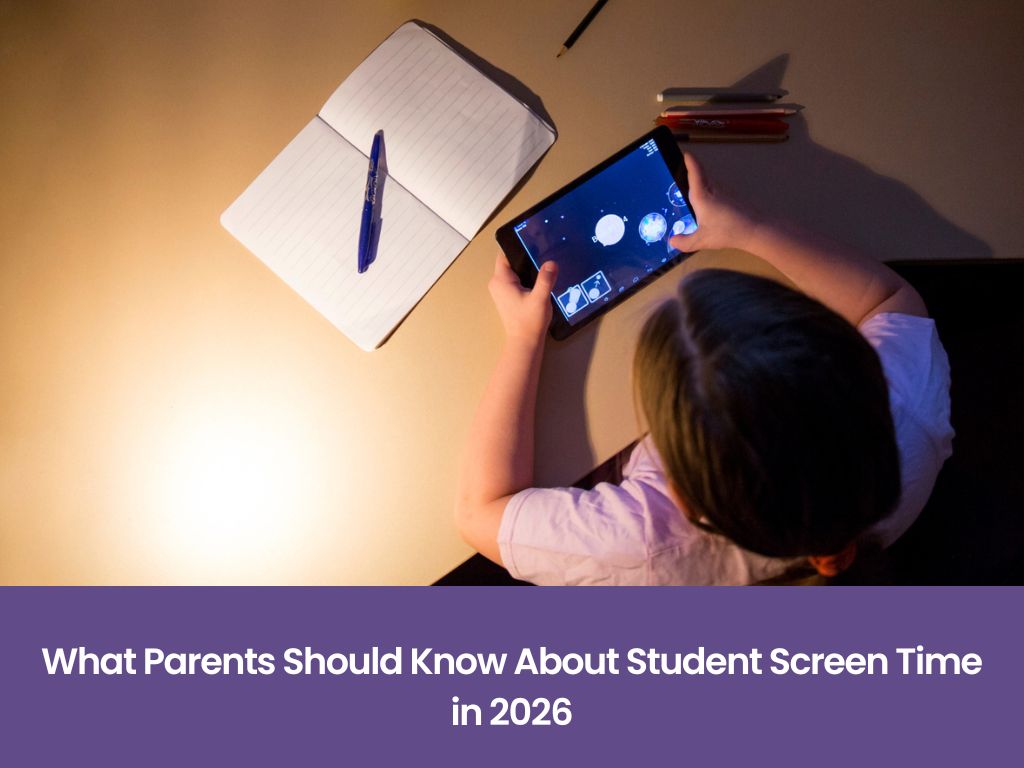
Screen time has become one of the most debated parenting concerns in recent years, and in 2026 the conversation is more relevant than ever. Digital devices are now deeply embedded in how students learn, communicate, and express creativity. From online assignments and virtual classrooms to educational apps and AI-powered tools, screens are an unavoidable part of modern education. However, along with their benefits come challenges that parents must understand to support healthy development. Managing screen time today is not about restriction alone, but about balance, purpose, and awareness.
Understanding the New Meaning of Screen Time
In 2026, screen time is no longer limited to watching videos or playing games. It includes interactive learning platforms, research-based assignments, collaborative projects, and skill-building activities. Students use screens to code, design, analyze data, and communicate ideas. This shift means parents need to look beyond the number of hours spent on devices and focus instead on how those hours are being used. Productive screen time can enhance learning, while unstructured and excessive usage can reduce focus and motivation.
Educational Screen Time Versus Recreational Use
One of the most important distinctions parents should make is between educational and recreational screen time. Educational screen time supports cognitive development through structured tasks such as digital textbooks, online assessments, and creative tools. Recreational screen time includes social media scrolling, online gaming, and entertainment content. Both have a place, but imbalance can create problems. Schools like Bgs Vijnatham School , one of the Best School in Noida Extension focus on guiding students toward purposeful digital engagement while limiting unnecessary exposure during academic hours.
Impact of Screen Time on Physical Health
Excessive screen usage can affect students physically if not managed properly. Long hours in front of screens may cause eye strain, headaches, poor posture, and reduced physical activity. Blue light exposure, especially in the evening, interferes with natural sleep cycles and can lead to fatigue and irritability. Parents should ensure that children follow the twenty-twenty-twenty rule, maintain proper seating posture, and take regular breaks. Encouraging outdoor play and sports remains essential even in a technology-driven world.
Mental and Emotional Well-Being
Beyond physical effects, screen time also influences emotional health. Constant exposure to fast-paced digital content can reduce attention span and increase anxiety. Social media comparison may impact self-esteem, especially among adolescents. In 2026, mental well-being is a major focus area for educators and parents alike. Open communication, emotional check-ins, and teaching children to use digital platforms responsibly can help mitigate negative effects. Balanced screen habits support emotional resilience and confidence.
Academic Performance and Focus
Technology can either support or distract learning, depending on how it is used. Multitasking between apps, messages, and entertainment reduces concentration and information retention. Students may appear engaged but struggle with deep understanding. Effective screen usage encourages focused learning, problem-solving, and creativity rather than passive consumption. Schools that integrate technology thoughtfully help students develop discipline and digital responsibility, preparing them for future academic and professional challenges.
Role of Schools in Digital Balance
Schools play a vital role in shaping healthy screen habits. Progressive institutions design structured digital policies, blended learning models, and tech-free interactions to ensure holistic development. Classroom discussions, group projects, and experiential learning activities reduce overreliance on devices. Institutions such as Bgs Vijnatham School , one of the Best Schools in Noida Extension emphasize balanced education by combining smart learning tools with real-world experiences, helping students remain socially active and mentally alert.
What Parents Can Do at Home
Parents are the strongest influence on children’s screen habits. Setting clear rules regarding screen time builds consistency and trust. Screen-free zones during meals, family time, and bedtime promote healthier routines. Parents should also model responsible screen behavior themselves, as children closely observe adult habits. Creating a daily schedule that includes study, physical activity, hobbies, and rest helps children understand balance naturally rather than feeling restricted.
Encouraging Meaningful Digital Engagement
Instead of banning screens entirely, parents should guide children toward meaningful digital activities. Educational videos, interactive learning platforms, reading apps, and creative tools can turn screen time into a productive experience. Discussing what children are watching or learning online encourages critical thinking and awareness. When parents show interest, children are more likely to develop responsible digital habits.
Preparing Students for a Digital Future
In 2026, digital literacy is as important as academic knowledge. Students must learn to use technology ethically, safely, and effectively. Teaching time management, online etiquette, and information evaluation prepares them for future careers. Screen time, when guided properly, builds essential skills such as adaptability, collaboration, and problem-solving. The goal is not to eliminate screens but to empower students to use them wisely.
Building a Long-Term Screen Time Mindset
The most effective approach to screen time is teaching children self-regulation rather than enforcing constant control. When students understand why limits exist, they are more likely to make responsible choices independently. Parents can involve children in setting screen rules, discussing daily limits, and reviewing usage patterns together. Celebrating offline achievements such as reading milestones, sports participation, or creative projects reinforces balanced habits. Over time, this approach builds lifelong discipline, healthier routines, stronger family bonds, and confident learners who can thrive both online and offline with clarity, responsibility, purpose, balance, and awareness in every stage ahead.