Top 10 Exam Preparation Tips for Students in February 2026 That Actually Work
posted on Feb 11, 2026
“Top 10 exam preparation tips for February 2026 to help students revise smartly, manage stress, practice effectively, and score higher with confidence in exams.”
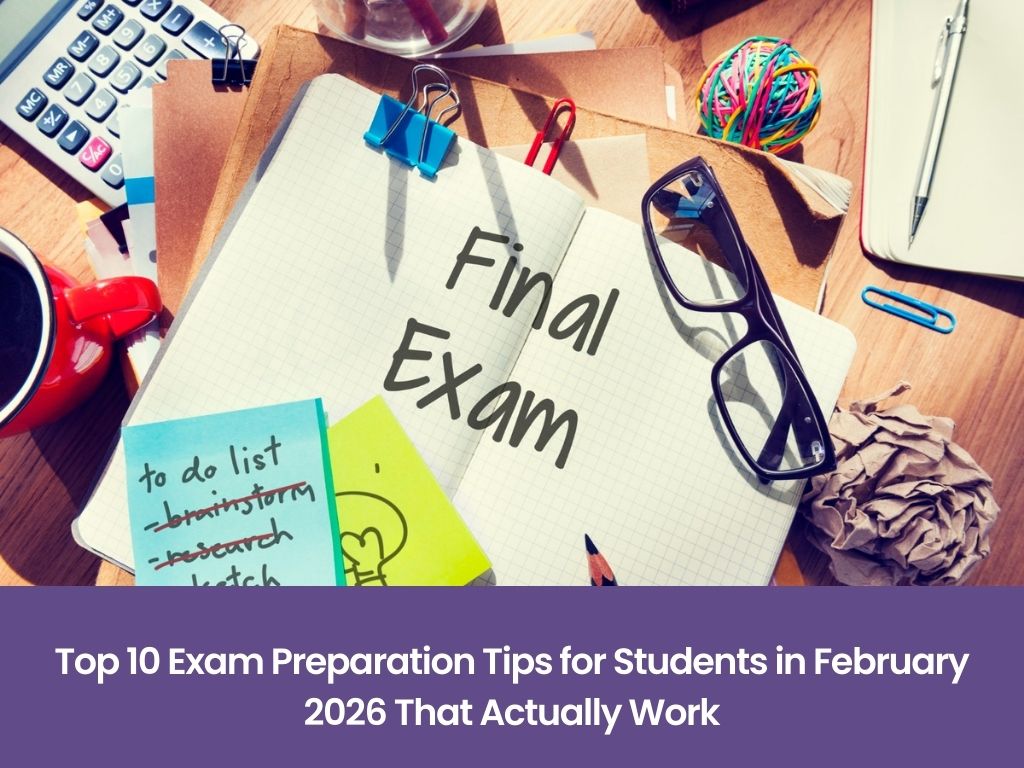
February 2026 is a decisive month for students across all academic levels. With exams just around the corner, this is the phase where preparation either becomes sharp and strategic or stressful and confusing. Many students feel overwhelmed—not because they haven’t studied, but because they don’t know how to revise effectively at this stage.
The key to success in February is not studying longer hours, but studying with clarity, discipline, and the right approach. Below are 10 practical and proven exam preparation tips that help students maximize performance, reduce anxiety, and enter the exam hall with confidence.
1. Why February Preparation Decides Your Final Results
February is the month where small improvements create big differences in results. At this stage, your syllabus should already be completed. What matters now is how well you revise, practice, and retain information.
Students who plan smartly in February often perform better than those who studied inconsistently throughout the year. This month should focus on polishing concepts, strengthening memory, and improving answer-writing skills.
2. Build a Practical Study Timetable You Can Actually Follow
A common mistake students make is creating unrealistic schedules. Instead of planning 12–14 study hours, focus on quality.
An effective February timetable should:
-
Include 6–8 focused study hours
-
Divide time subject-wise based on difficulty
-
Reserve daily slots for revision and practice
Schools such as BGS Vijnatham School , being one of the Premium Schools in Noida Extension guide students to follow structured yet flexible revision plans that prevent burnout while ensuring consistency.
3. Prioritize High-Scoring and Frequently Asked Topics
February is not the time to treat all chapters equally. Identify:
Start your day with challenging subjects when concentration levels are high. Easy topics can be revised later in shorter sessions.
4. Solve Previous Year Papers Under Exam Conditions
One of the most effective exam preparation techniques is solving previous year question papers. This helps students:
Attempt these papers in a timed environment and evaluate your answers honestly. Focus not only on what you got wrong, but also on where you lost marks due to poor presentation or time issues.
5. Convert Weak Areas into Strengths Step by Step
Every student has weak subjects or chapters. Ignoring them increases stress. Instead, tackle weak areas strategically:
-
Break chapters into small sections
-
Revise them daily in short sessions
-
Ask teachers for concept clarification
Consistent effort, even 20–30 minutes a day, can significantly improve weak areas by exam time.
6. Replace Passive Reading with Active Learning Methods
Simply reading notes again and again is not enough. Active learning improves retention and recall.
Effective methods include:
This approach ensures better understanding and faster recall during exams.
7. Take Care of Sleep, Diet, and Physical Health
Exams test the mind, but the mind depends on the body. Lack of sleep and poor nutrition directly affect memory and concentration.
In February:
-
Sleep at least 7–8 hours daily
-
Eat balanced, light meals
-
Take short breaks between study sessions
A healthy routine keeps energy levels stable during long study days.
8. Learn to Manage Exam Stress Before It Escalates
Exam stress is natural, but unmanaged stress can harm performance. Signs of stress include restlessness, fear, and lack of focus.
To manage anxiety:
-
Practice deep breathing exercises
-
Avoid comparing yourself with others
-
Focus on your own preparation progress
Supportive academic environments like BGS Vijnatham School , being one of the Best Schools in Noida Extension emphasize emotional well-being along with academic readiness, helping students stay calm and focused.
9. Make Daily Revision a Non-Negotiable Habit
Weekly revision is not enough in February. Daily revision ensures concepts stay fresh.
Effective daily revision methods:
-
Revise formulas and key points every night
-
Use short notes and flashcards
-
Revisit mistakes from mock tests
Even 40 minutes of daily revision can significantly boost confidence and accuracy.
10. Use the Final 10 Days Only for Revision and Mock Tests
The last 10 days before exams should not include new topics. This period should be dedicated to:
Trust your preparation and focus on calm execution rather than last-minute learning.
Final Thoughts: February Is About Smart Effort, Not Panic
Exams are not just about knowledge—they test planning, discipline, and mindset. February 2026 offers students the final opportunity to refine their preparation and eliminate weak points.
By following these focused exam preparation tips, students can reduce stress, improve retention, and approach exams with confidence. Remember, consistency, clarity, and calmness are the true keys to exam success.
Stay focused, trust yourself, and let your preparation do the talking.