Effective Parenting Strategies for Dealing with a Stubborn Child
posted on May 29, 2026
Discover proven parenting strategies to manage a stubborn child. Learn how active listening, clear boundaries, positive reinforcement can turn strong-willed behavior into confidence and resilience.
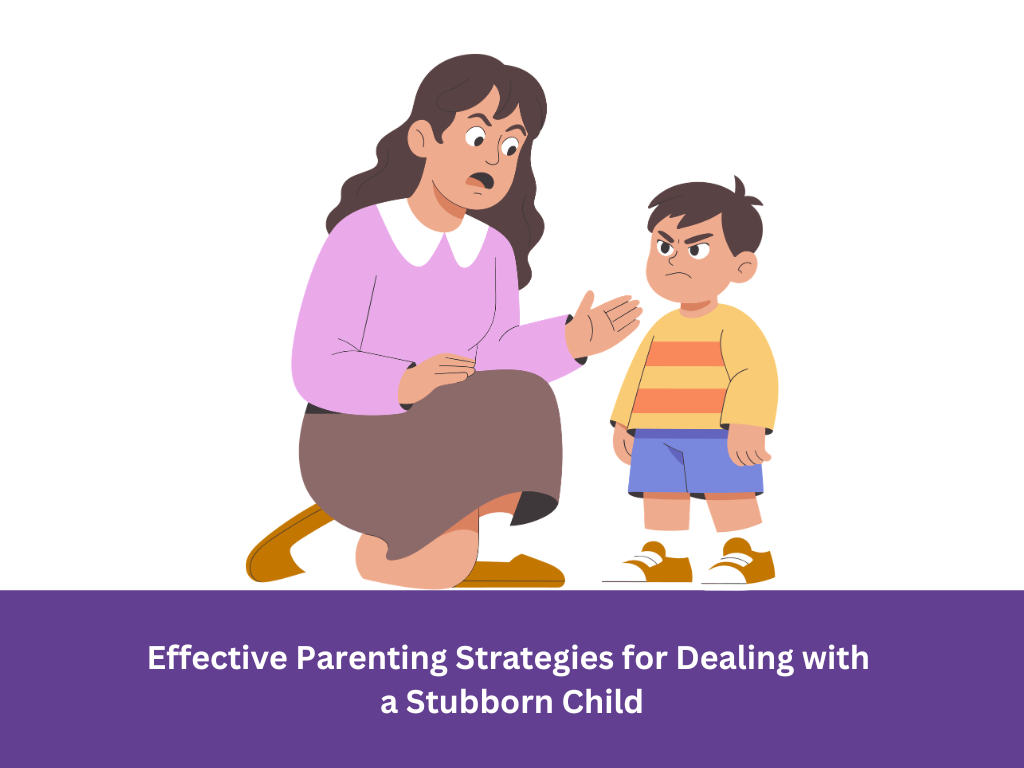
Parenting a stubborn child can be challenging, frustrating, and, at times, emotionally draining. Strong-willed children often push boundaries, resist instructions, and test limits. While stubbornness is often viewed as a negative trait, it is important to remember that it can also reflect determination, independence, and resilience—qualities that, when guided properly, can benefit a child immensely in the long run. At BGS Vijnatham School, one of the best schools in Noida Extension, students are encouraged to channel their strong-willed nature positively, with guidance that nurtures their independence while promoting cooperation. The key lies in understanding their mindset and adopting effective parenting strategies that nurture positive behavior while reducing conflict.
Understanding Stubbornness in Children
Before attempting to manage a stubborn child, it is essential to understand why they behave this way. Stubbornness is often a sign that a child wants autonomy and control over their environment. They may resist instructions not to be difficult but because they are learning to assert themselves and test limits. Additionally, temperament, age, and emotional development play a role. Toddlers and preschoolers, for example, naturally exhibit stubbornness as part of normal growth, while older children may display it as a means of expressing opinions or challenging authority.
Recognizing that stubbornness is a normal developmental phase helps parents approach it with patience rather than frustration. Labeling a child as “difficult” can harm their self-esteem and increase resistance, whereas understanding their needs lays the groundwork for effective strategies.
Practice Active Listening
One of the most powerful tools for handling a stubborn child is active listening. Children often act stubbornly because they feel unheard. Giving them your full attention, acknowledging their feelings, and validating their emotions can significantly reduce power struggles. For instance, if a child refuses to wear a particular outfit, instead of forcing compliance, ask them why they feel uncomfortable. Listening and responding empathetically shows respect and opens the door for compromise.
Active listening also fosters trust and emotional security. When children feel that their opinions matter, they are more likely to cooperate willingly rather than rebel out of frustration.
Offer Choices Instead of Commands
Stubborn children respond better when they feel a sense of control over decisions. Instead of issuing direct commands, present them with limited choices. For example, instead of saying, “Eat your vegetables,” you can ask, “Would you like carrots or peas with lunch today?” This technique allows children to exercise autonomy while still achieving the desired outcome.
Providing choices reduces confrontations, encourages decision-making skills, and helps the child feel empowered. Over time, this approach can transform stubbornness into confidence and responsibility.
Set Clear and Consistent Boundaries
While autonomy is important, it must be balanced with clear and consistent boundaries. Stubborn children often test limits, so parents need to establish rules and consequences that are fair, understandable, and predictable.
Consistency is key. If a rule changes frequently or consequences are not enforced, children may exploit inconsistencies, increasing conflicts. For example, if bedtime is set at 9 PM, it should remain consistent even if the child protests. Clear expectations combined with reasonable flexibility help children learn self-discipline without feeling oppressed.
Use Positive Reinforcement
Positive reinforcement is highly effective in guiding strong-willed children. Rewarding cooperative behavior, even in small instances, encourages repetition of the desired behavior. Praise, small incentives, or verbal acknowledgment like, “I really appreciate how you listened today,” can motivate a stubborn child more than punishment ever could.
It’s important to focus on effort rather than perfection. Acknowledging the child’s attempt to compromise or follow instructions reinforces positive behavior while boosting self-esteem.
Avoid Power Struggles
Engaging in a direct confrontation often escalates the situation. With a stubborn child, power struggles usually end in frustration for both parent and child. Instead, adopt strategies that redirect energy and focus on collaboration.
Techniques like distraction for younger children, negotiation for older ones, and humor to defuse tension can prevent escalation. Remember, the goal is not to win every argument but to teach the child constructive ways to express themselves.
Model Calm and Controlled Behavior
Children often mirror the emotional responses of their parents. A parent who reacts angrily or loses patience can inadvertently reinforce stubborn behavior. Maintaining calm, composed, and consistent behavior demonstrates self-regulation and problem-solving.
Modeling patience and empathy helps children learn to manage their own emotions. When they see adults navigating disagreements calmly, they are more likely to imitate similar behavior, reducing resistance over time.
Encourage Problem-Solving and Independence
Stubborn children are often highly determined and capable of critical thinking. Parents can harness this by encouraging problem-solving and independent decision-making. For example, if a child refuses to complete a task in a particular way, guide them to find an alternative solution that still meets the goal.
This approach validates their thought process and reduces resistance while fostering creativity, accountability, and resilience. Over time, the child learns that cooperation does not mean losing autonomy—it means working collaboratively toward solutions.
Maintain Emotional Connection
A strong parent-child relationship is the foundation for managing stubborn behavior. Children are less likely to resist parents they feel emotionally connected to and understood by. Regular quality time, open conversations, and shared activities strengthen this bond.
When a child knows that their parent genuinely cares about their feelings and opinions, they are more likely to respond positively to guidance. Emotional security reduces power struggles and builds a cooperative mindset.
When to Seek Professional Guidance
While stubbornness is a normal trait, extreme or persistent behaviors that interfere with learning, social interaction, or daily life may require professional advice. Child psychologists and counselors can help identify underlying issues, provide tailored strategies, and support parents in handling challenging behavior constructively.
Early intervention ensures that strong-willed behavior is channeled positively, preventing potential conflicts and fostering healthy emotional development.
Conclusion: Turning Stubbornness into Strength
Parenting a stubborn child is not about eliminating their independence or enforcing compliance—it is about guiding their determination in positive directions. By practicing active listening, offering choices, setting clear boundaries, reinforcing positive behavior, avoiding power struggles, modeling calmness, and fostering problem-solving skills, parents can effectively manage stubbornness.
When handled with patience, understanding, and consistent strategies, stubbornness can transform into resilience, confidence, and leadership qualities. Parents who adopt these approaches not only reduce daily conflicts but also help their children thrive academically, socially, and emotionally—turning challenges into lifelong strengths.
Remember: A stubborn child is often a determined child. With the right guidance, their persistence can become one of their greatest assets.