Homework vs. Self-Learning: Which Approach Is Better for Children's Development?
posted on Nov 09, 2026
Choosing the right school is one of the most important decisions parents make for their child's future. A school is not just a place where children learn different subjects; it is an environment where they develop essential life skills, build friendships, discover their interests, and shape their personalities.
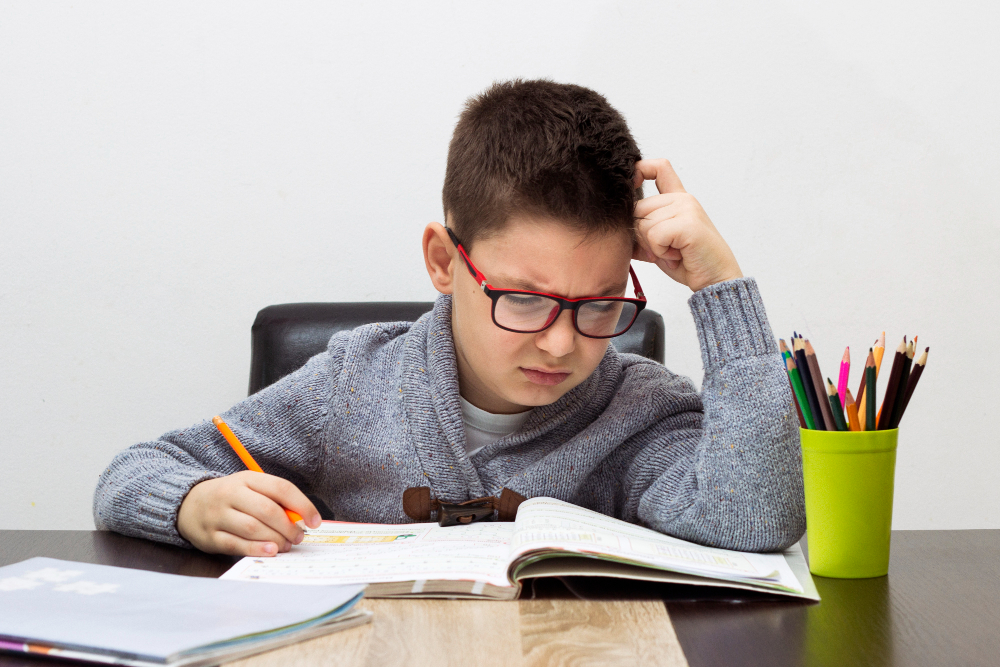
Education plays an important role in shaping a child's personality, knowledge, and future opportunities. However, learning is not limited to what children study inside classrooms or complete through daily homework. Developing the ability to explore concepts independently, ask questions, and find solutions is equally important for their overall growth. This brings parents and educators to an important question: Homework vs. self-learning—which approach is better for children's development?
Both homework and self-learning contribute to a child's educational journey in different ways. While homework helps students revise classroom lessons and practise important concepts, self-learning encourages curiosity, independent thinking, and problem-solving abilities. Understanding the benefits of both approaches can help parents create a balanced learning environment for their children.
Let's explore how homework and self-learning influence children's development and why combining both can create meaningful learning experiences.
1. Understanding the Importance of Homework
Homework is an essential part of traditional education. It allows students to revise topics covered in the classroom and practise what they have learned. Regular assignments, worksheets, reading exercises, and projects help children strengthen their understanding of different subjects.
Some important benefits of homework include:
-
Improves knowledge retention: Regular practice helps children remember important concepts.
-
Develops discipline: Completing assignments encourages students to follow routines and manage their responsibilities.
-
Strengthens academic skills: Homework provides opportunities to practise mathematics, writing, reading, and other subjects.
-
Identifies learning gaps: Parents and teachers can understand which topics require additional attention.
-
Encourages accountability: Children learn to complete assigned tasks within a given timeframe.
When homework is age-appropriate and properly structured, it can support academic progress without placing unnecessary pressure on students.
2. What Is Self-Learning and Why Does It Matter?
Self-learning refers to the process through which children explore new information, develop skills, and understand concepts independently. Instead of depending entirely on classroom instructions, students take an active role in their learning journey.
For example, a child interested in space may independently read astronomy books, watch educational videos, or explore simple science activities to understand planets and stars.
Self-learning offers several developmental benefits:
-
Encourages curiosity: Children become more interested in exploring unfamiliar topics.
-
Builds independence: Students learn to find answers without always depending on others.
-
Improves critical thinking: Exploring different ideas encourages children to analyse information.
-
Develops problem-solving abilities: Independent learning teaches children to approach challenges creatively.
-
Builds confidence: Discovering answers independently gives children a sense of achievement.
These skills are valuable not only for academic success but also for handling everyday challenges.
3. Homework vs. Self-Learning: Understanding the Key Differences
Although both approaches support education, they differ in how children engage with information.
Homework generally involves structured learning, where teachers assign specific tasks that students are expected to complete. It follows a defined objective, subject, and deadline.
Self-learning offers greater flexibility, allowing children to choose topics based on their interests and explore them at their own pace.
For example, a mathematics worksheet may help children practise multiplication, while independently solving puzzles or playing educational mathematics games can encourage them to understand numbers through exploration.
Homework provides direction and consistency, whereas self-learning promotes curiosity and personal initiative. Both approaches can complement each other when used effectively.
4. How Homework Helps Develop Responsibility and Discipline
One of the biggest advantages of homework is that it teaches children how to manage responsibilities. Completing assignments regularly encourages students to organise their schedules and prioritise important tasks.
Children gradually understand the importance of deadlines, consistency, and preparation. These habits can become useful as they progress to higher classes and face more demanding academic responsibilities.
However, parents should ensure that homework does not take up all their child's free time. Children also need sufficient opportunities for rest, play, hobbies, and family interaction.
5. How Self-Learning Builds Creativity and Independent Thinking
Self-learning gives children the freedom to explore subjects beyond their textbooks. This encourages them to develop original ideas and think creatively.
Activities such as reading books, building models, conducting simple experiments, learning musical instruments, and exploring art can introduce children to different ways of understanding the world.
For instance, when children build a simple structure using building blocks, they experiment with shapes, balance, and design. Such experiences encourage them to learn through observation and practical application.
Independent exploration also helps children become more comfortable asking questions and finding different solutions to problems.
6. The Role of Parents in Balancing Both Learning Approaches
Parents play an important role in ensuring that children benefit from homework as well as self-learning. Instead of focusing only on academic assignments, they should create opportunities for independent exploration.
Here are some practical ways parents can encourage balanced learning:
-
Establish a consistent but flexible homework routine.
-
Provide access to age-appropriate books and educational resources.
-
Encourage children to ask questions and share their ideas.
-
Introduce creative activities, puzzles, and educational games.
-
Allow children to explore hobbies and personal interests.
-
Appreciate effort and improvement rather than focusing only on marks.
Parents should act as guides rather than completing assignments or solving every problem for their children. Giving children opportunities to think independently can strengthen their confidence and decision-making abilities.
7. Why Schools Should Encourage Both Homework and Self-Learning
Schools have an important responsibility to create learning environments that support academic understanding and independent exploration.
Teachers can combine classroom instruction, meaningful assignments, group projects, practical activities, and independent research to make education more engaging.
For example, after teaching students about environmental conservation, teachers can assign a small research project in which children explore ways to reduce waste at home or school. This connects classroom learning with real-life experiences.
BGS Vijnatham School, being one of the Best Schools in Noida Extension, recognises the importance of encouraging students to develop academic knowledge, independent thinking, creativity, and practical skills through meaningful learning experiences.
8. Finding the Right Balance for Different Age Groups
Children have different learning requirements at different stages of development. Therefore, homework and self-learning activities should be planned according to their age, interests, and abilities.
For preschool children: Learning should mainly involve storytelling, drawing, puzzles, music, and play-based activities. Short and enjoyable tasks can introduce basic concepts.
For primary school students: Children can benefit from simple homework assignments, reading habits, educational games, and hands-on experiments.
For middle school students: Encourage independent reading, research projects, creative writing, and subject-based assignments that develop analytical thinking.
For secondary school students: A combination of structured homework, independent research, project work, and time management can help prepare students for higher education.
The goal should be to make learning meaningful rather than overwhelming.
Conclusion: Why a Combination of Homework and Self-Learning Matters
Homework and self-learning are not competing approaches. Both contribute valuable skills to children's educational and personal development. Homework provides structure, reinforces classroom knowledge, and encourages discipline, while self-learning develops curiosity, creativity, independence, and problem-solving abilities.
The most effective learning environment gives children opportunities to benefit from both approaches. Parents and teachers should work together to ensure that students receive proper academic guidance while having enough freedom to explore their interests.
BGS Vijnatham School, being one of the Best School in Greater Noida , highlights the importance of creating an educational environment where children can strengthen their academic foundations while developing confidence, creativity, and independent thinking.
Ultimately, education should prepare children not just to complete assignments or perform well in examinations but also to become lifelong learners who are curious, confident, and capable of facing future challenges.