Step-by-Step Guide to Developing Reading Habits in Kids
posted on Mar 12, 2026
Learn a step-by-step guide to developing reading habits in kids with practical tips for parents and teachers. Build lifelong literacy and curiosity in children.
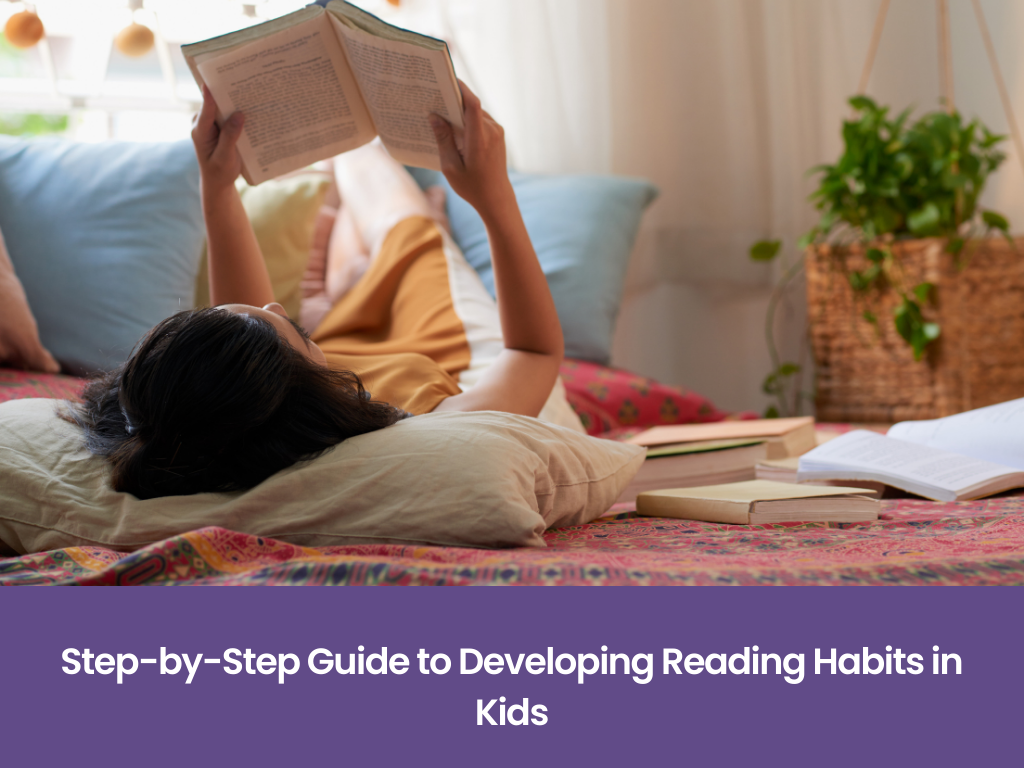
Developing reading habits in children requires consistency, curiosity, and the right environment. Parents and teachers can encourage reading by creating a daily reading routine, providing age-appropriate books, reading together, limiting screen distractions, and making reading fun through storytelling and discussions. When children view reading as an enjoyable activity rather than a task, they naturally build lifelong learning skills.
Why Developing Reading Habits in Kids Matters
Reading is one of the most powerful skills a child can develop. It not only improves language and communication abilities but also strengthens imagination, critical thinking, and emotional intelligence.
Children who read regularly tend to perform better academically and develop stronger concentration skills. Reading also helps them explore different cultures, ideas, and perspectives, shaping them into more thoughtful individuals.
Educational institutions that prioritize literacy understand its long-term value. For example, Bgs Vijnatham School , one of the Best Schools in Noida Extension, emphasizes reading culture as an essential part of holistic student development.
However, building this habit doesn't happen overnight. It requires a thoughtful and gradual approach.
Below is a step-by-step guide to help parents and educators develop strong reading habits in children.
Step 1: Start Early with Storytelling
One of the best ways to introduce reading is through storytelling.
Before children can read independently, they can still develop a love for stories. Listening to stories helps them understand language patterns, develop imagination, and build curiosity.
Parents can:
-
Read bedtime stories daily
-
Use expressive voices for characters
-
Ask children what they think will happen next
Storytelling builds emotional connections with books, making children naturally interested in reading.
Step 2: Create a Reading-Friendly Environment
Children are more likely to read when books are easily accessible.
Create a reading corner at home with:
-
Colorful bookshelves
-
Comfortable seating
-
Age-appropriate books
-
Good lighting
When books are visible and inviting, children are naturally drawn toward them.
Schools also play a key role by providing libraries and reading programs that encourage exploration and curiosity.
Step 3: Choose Age-Appropriate Books
Children lose interest quickly if books are too difficult or too simple.
Selecting the right books based on age and reading level helps build confidence and enjoyment.
Examples:
For younger kids (4–7 years)
-
Picture books
-
Rhyming stories
-
Simple adventure tales
For middle readers (7–10 years)
-
Short chapter books
-
Mystery stories
-
Educational comics
For older kids (10+ years)
The goal is to ensure children feel excited—not overwhelmed—when reading.
Step 4: Set a Daily Reading Routine
Consistency builds habits.
Setting aside 20–30 minutes daily for reading can significantly improve literacy skills.
Best times for reading:
The key is making reading a regular and predictable part of the day, just like meals or bedtime.
Step 5: Be a Reading Role Model
Children often imitate what adults do.
If parents or teachers frequently read books, newspapers, or magazines, children naturally view reading as a valuable activity.
Parents can demonstrate reading by:
-
Reading their own books at home
-
Discussing interesting things they read
-
Visiting libraries or bookstores together
This creates a family culture of reading, which strongly influences children’s habits.
Step 6: Make Reading Interactive
Reading shouldn't feel like a silent task.
Engage children by asking questions such as:
-
Who is your favorite character?
-
What would you do if you were in the story?
-
What do you think happens next?
Interactive reading improves:
It also keeps children emotionally involved in the story.
Step 7: Limit Screen Time
Digital devices often compete with books for children's attention.
While technology can support learning, excessive screen time reduces interest in reading.
Parents can balance this by:
-
Setting daily screen limits
-
Encouraging reading before device usage
-
Introducing audiobooks or e-books as alternatives
By controlling distractions, reading becomes a more attractive option.
Step 8: Celebrate Reading Achievements
Positive reinforcement motivates children.
Small rewards for reading milestones can encourage consistency.
Examples include:
-
Sticker charts for completed books
-
A special outing after finishing a reading challenge
-
Allowing children to choose their next book
Recognition builds confidence and strengthens the habit.
Educational environments like Bgs Vijnatham School , one of the Best Schools in Greater Noida West, often use reading programs and book clubs to celebrate student reading achievements and promote lifelong literacy skills.
Step 9: Encourage Library Visits
Libraries introduce children to a wide world of books.
Regular library visits help children:
It also teaches responsibility when borrowing and returning books.
Libraries make reading feel like an adventure rather than an assignment.
Step 10: Let Kids Choose Their Own Books
Children are more likely to read when they select books themselves.
Even if their choices include comics, graphic novels, or humorous stories, these still help develop reading skills.
Allowing freedom in book selection:
-
Builds independence
-
Encourages curiosity
-
Makes reading enjoyable
The ultimate goal is not just reading—but loving to read.
Long-Term Benefits of Reading Habits
When children develop reading habits early, they gain benefits that extend far beyond academics.
These include:
-
Strong vocabulary and communication skills
-
Better concentration and memory
-
Improved creativity and imagination
-
Higher academic confidence
-
Lifelong curiosity and learning
Reading also strengthens emotional intelligence by helping children understand different perspectives and experiences.
Final Thoughts
Developing reading habits in kids is a gradual journey that requires patience and encouragement. By introducing storytelling early, creating a book-friendly environment, maintaining daily reading routines, and allowing children to explore books freely, parents and educators can nurture a lifelong love for reading.
When reading becomes a joyful experience rather than a forced activity, children naturally develop curiosity and a passion for knowledge that lasts a lifetime.
FAQ: Developing Reading Habits in Kids
1. At what age should children start reading?
Children can begin developing reading habits as early as 2–3 years through picture books and storytelling.
2. How long should kids read daily?
Experts recommend 20–30 minutes of daily reading to build strong literacy habits.
3. What if my child doesn't like reading?
Start with topics they enjoy, such as comics, adventure stories, or educational graphic books.
4. Are audiobooks helpful for kids?
Yes. Audiobooks improve listening skills, vocabulary, and story comprehension.